

Business Savings Emergency Fund: How Much Should You Keep in Cash Reserves?
Unexpected disruptions happen to every organization, no matter how established it may feel. Equipment breaks, clients delay payments, or market conditions tighten without warning. That uncertainty is why a dedicated cash buffer matters. A well-structured business savings emergency fund provides stability during uneven periods and helps leadership make decisions calmly rather than reactively.
Still, many owners ask the same question. How much liquidity is enough without letting idle funds hold the company back?
Still, many owners ask the same question. How much liquidity is enough without letting idle funds hold the company back?
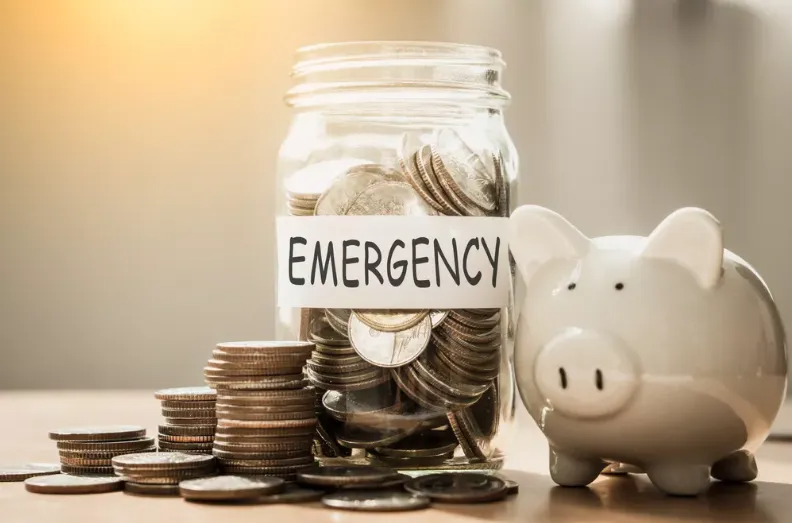
Why an Emergency Fund Is a Financial Anchor
An emergency reserve exists to protect daily operations when income timing shifts or expenses spike. Unlike growth capital, this money is not meant for expansion, hiring, or upgrades. Its purpose is continuity.
Having accessible business savings allows payroll, vendor obligations, and essential overhead to continue even during short-term stress. That breathing room preserves relationships and credibility, which can be difficult to rebuild once damaged.
Just as important, it reduces emotional decision-making. Leaders with a cushion can pause, assess options, and choose the most strategic path forward rather than acting out of urgency.
How to Calculate the Right Reserve Size
There is no universal number that fits every company, but a common benchmark is three to six months of core operating costs for business savings. Start by identifying predictable outflows such as compensation, rent, utilities, software subscriptions, and insurance.
Next, evaluate revenue reliability. Organizations with steady contracts may lean toward the lower end of the range. Those with seasonal income or client concentration often benefit from a larger buffer.
Also consider access to external funding. If credit lines are limited or expensive, holding more liquidity internally can provide flexibility when timing gaps appear.
Where to Keep Your Cash Reserves
An emergency fund should be easy to access and separate from daily transaction accounts. Mixing reserve money with operating cash increases the temptation to use it for nonessential purposes.
Many companies choose high-yield business savings or money market accounts that preserve principal while earning modest returns. The goal is safety and availability, not aggressive growth.
Clear labeling and internal guidelines help reinforce the purpose of the fund so it remains untouched unless a true disruption occurs.
Common Mistakes to Avoid
One frequent misstep is building business savings but never revisiting the amount. As operations scale, expenses rise, and your client mix changes, the business budget should be adjusted accordingly.
Another issue is using the fund as a convenience account. Tapping reserves for planned purchases defeats its protective role and can leave the organization exposed when an actual emergency arises.
Finally, some owners delay building reserves entirely because margins feel tight. Starting small and contributing consistently is far more effective than waiting for a perfect moment.
Building Confidence With the Right Financial Guide
Determining the appropriate reserve level and maintaining it over time requires visibility into cash flow patterns and expense behavior. This is where First Steps Financial can serve as a steady guide. Through fractional bookkeeping and financial consultation, our team helps organizations understand real operating needs, set realistic reserve targets, and monitor progress without adding internal complexity.
If you want clarity around cash reserves and long-term financial resilience, let’s connect.
Images
Powered By GrowthZone