
Distinctly Different: A Thoughtful Educational Approach to Tech
 Distinctly Different: A Thoughtful Educational Approach to Tech
At the Waldorf School of Princeton, we take a proactive and forward-thinking approach to tech education while keeping our classrooms engaging, hands-on, and screen-free.
For more than a decade, schools across the U.S. have been eagerly moving to bring more technology into their classrooms and curriculum, with many children receiving personal devices like laptops and tablets as early as kindergarten. At the same time, students are rarely educated in how to use tech safely, responsibly, and effectively. Today, as evidence mounts that tech has not improved student performance—and has even had negative effects on academic achievement—many schools are racing to limit tech in instruction and ban cell phones on campus.
All this time, the Waldorf School of Princeton has offered a powerful alternative: a skills-based, screen-free, and forward-thinking education that doesn’t rely on screens to engage children. Here, children develop the flexibility and skills they’ll need to engage with evolving technologies, alongside the personal responsibility and knowledge to safely and effectively use them—all without using tech or screens in the classroom. How do we do it?
Early Childhood: Laying the Groundwork in the Real World
Cognitive science has repeatedly shown that an active, sensory-rich, and experience-based childhood is vital to developing the body and brain, laying the groundwork for learning and health throughout the lifetime. At the same time, science shows that screens and digital media negatively affect brain development in early childhood, even slowing the acquisition of language and problem-solving skills.
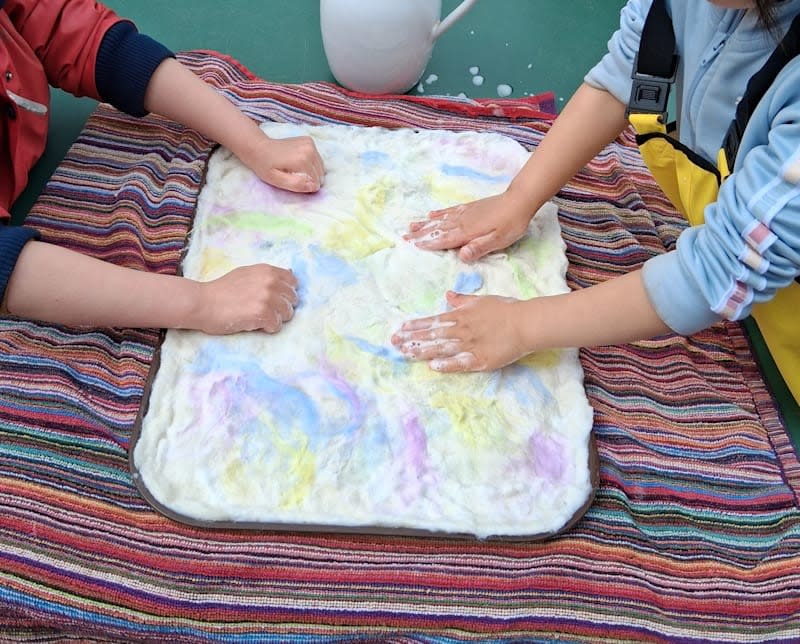
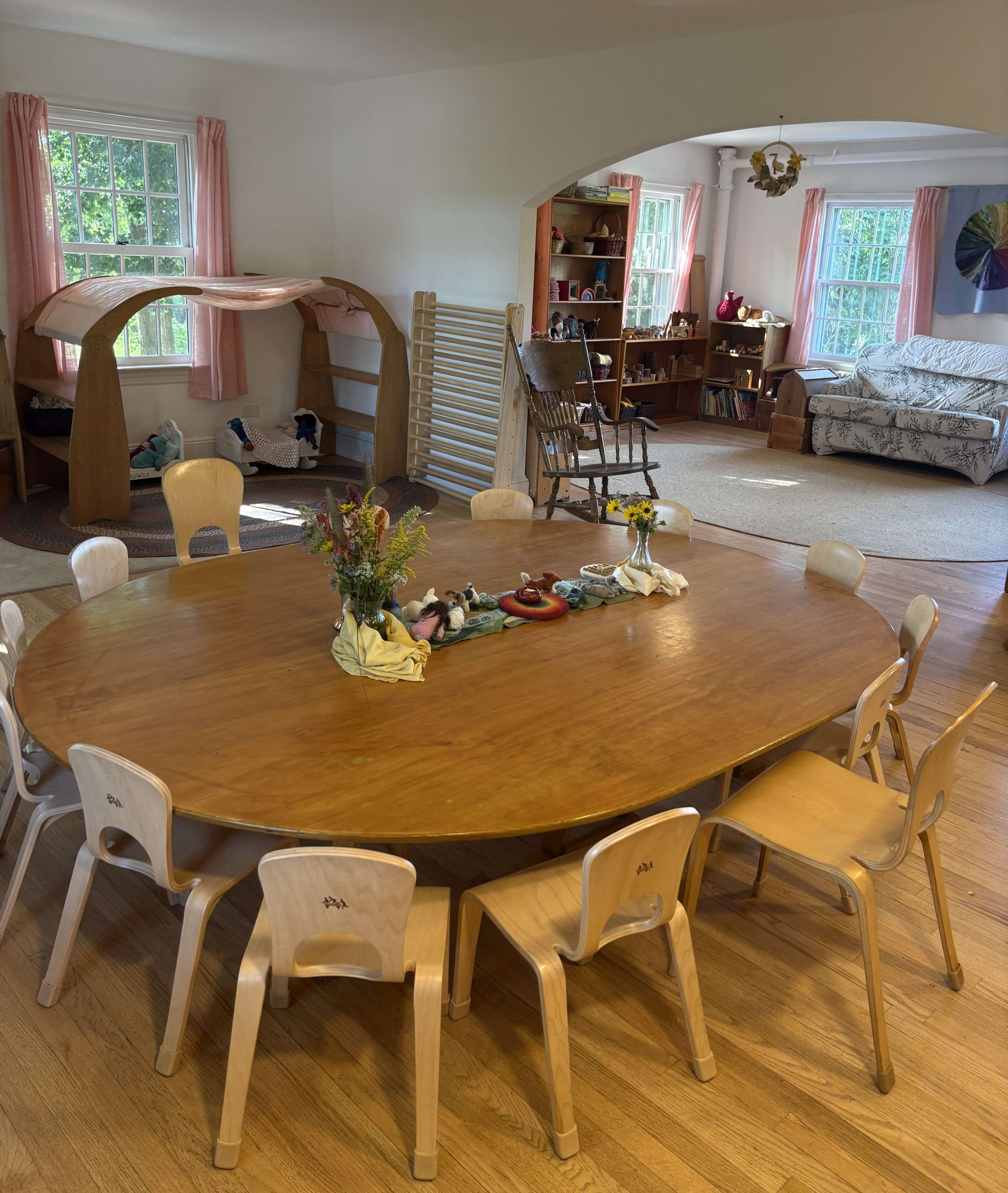
At the Waldorf School of Princeton, we have never used screens or technology in our preschool and kindergarten classrooms, creating a classroom environment where children use their natural creativity, curiosity, and imagination in play. In addition, we encourage Early Childhood families to limit or eliminate both tech and digital media use at home, and support those families in transitioning to tech habits that best support their child’s growth and development.
Our approach is tailor-made for the tech-heavy world we live in today. Our teachers lead students in activities that are specifically designed to encourage healthy brain development, motor skills, and social-emotional maturity, long before we expose children to the often overwhelming influence of tech and digital media. Our goal is to help children develop the resilience, attention span, and 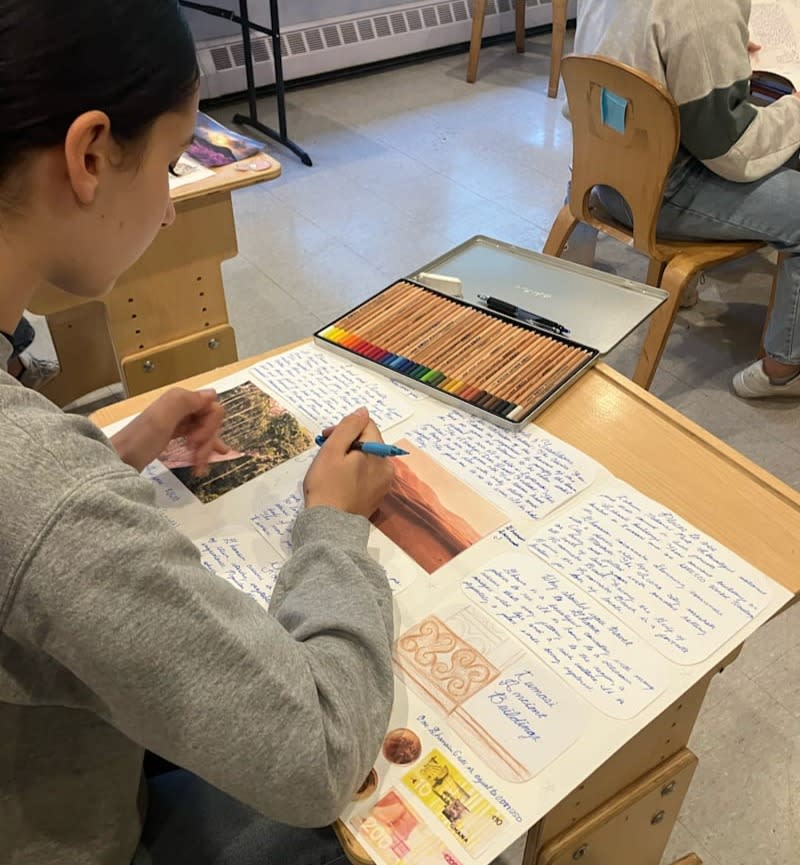 executive functioning skills to use technology as a tool by the time they are developmentally ready to engage with it.
We do this through both teacher-guided activities and ample time for free, child-led play. There is a wide breadth of research that shows unstructured play is essential to cognitive, physical, emotional, and social development in young children—and may even be more effective to learning than formal instruction in Early Childhood!
Elementary School: Dynamic Learning, Foundational Skills
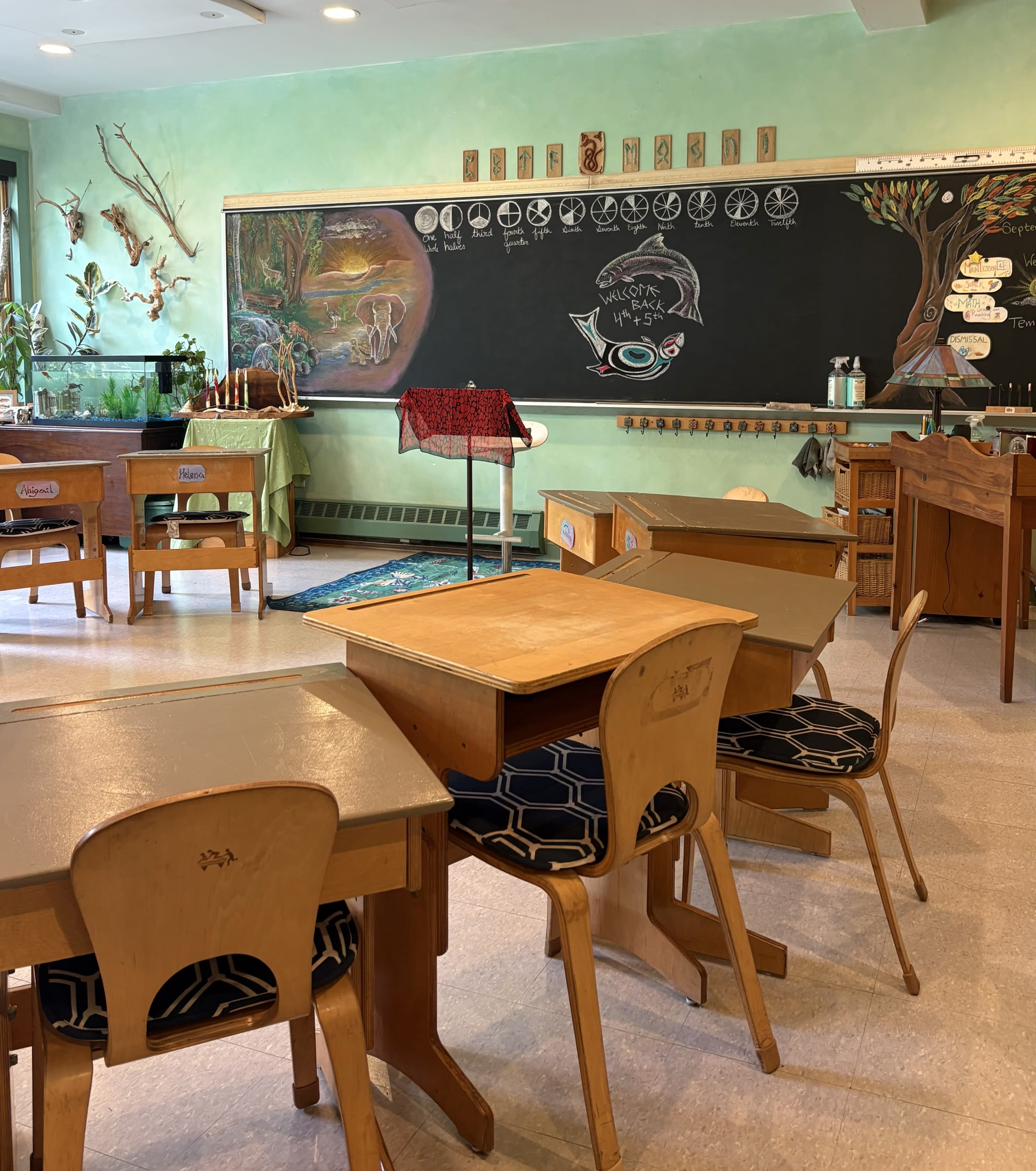
Young children are naturally captivated by screens, but true engagement comes from hands-on experience and human interaction. Research shows that elementary age children learn much more from face-to-face instruction than they do from screen-based apps, and that social and group work with peers can deepen the learning process. At WSP, teachers don’t use technology in elementary school, unless it is required for assisted learning.
Successful teaching, however, goes beyond simply banning devices. In an interview with the New York Times, sociologist Jonathan Haidt says children today need “more independence, free play, and responsibility in the real world.” But, Haidt warns, “Don’t just focus on taking away the screens — focus on restoring a fun childhood. A human childhood.”
It is precisely in this area that the Waldorf School of Princeton excels. Rather than relying on devices, simulations, or digital games to engage students, our teachers plan active, collaborative, and multisensory lessons, which emphasize social skills, creativity, and hands-on experiences. Our methods and pedagogy are based on a deep understanding of human development and in line with current research on how children learn.
In grades 1-5, technology is rarely incorporated into classroom lessons, though children are already laying the groundwork for future tech use during this time—for example, by learning to conduct independent research for a report on animals or Ancient India, or by practicing how to write a letter with a proper date, greeting, and sign-off. These activities help to position technology within its larger context and prepare students with the skills they’ll need to use it effectively.
Middle School: Healthy Communication and Social Citizenship
By middle school, students are looking outward, eager for new experiences and curious about the world around them. This often includes a great deal of curiosity about tech, the internet, and social media. At this age, we expect students to begin using some media and technology with oversight and guidance at home—and our curriculum is designed to prepare them to take that step.
In language arts and humanities classes, students are encouraged to think critically, refine arguments, and develop their voice as writers, laying the groundwork for effective communication both online and in-person. In the sciences, they explore the foundations of technology today by learning about electricity, motors, and machines, while also honing their use of reason and logical thinking in STEM classes. In social studies, they cover the history of art, exploration, society, and 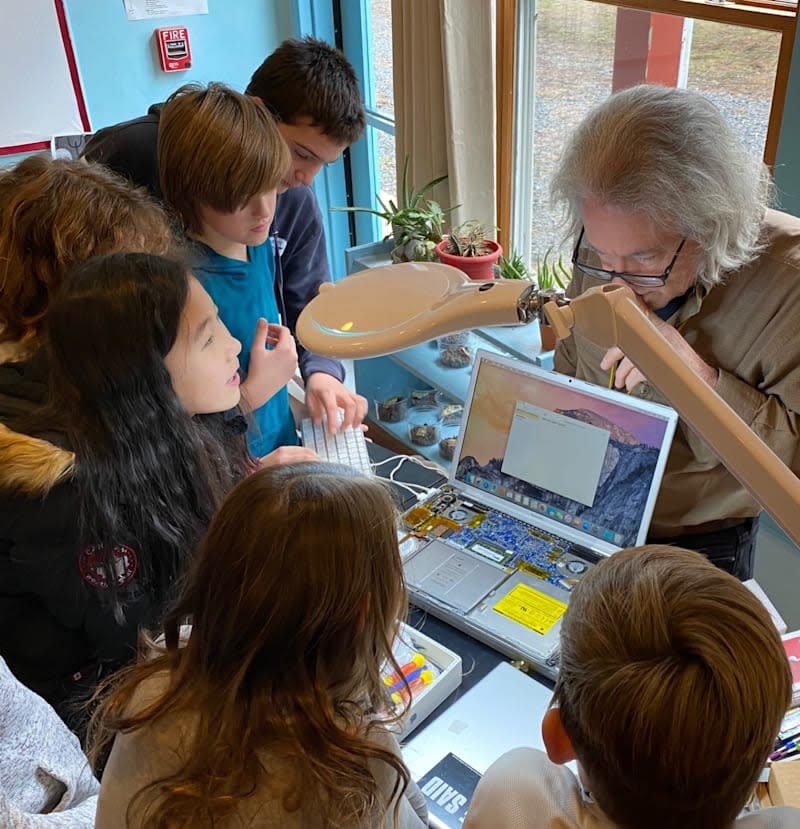 revolutions, giving them a broader perspective on the changes taking place in our world today. And across subject areas, collaboration, discussion, and group work are at the center of instruction, ensuring that students build and maintain real, in-person relationships with teachers and peers.
In addition to skill-building, we explicitly talk about tech and its responsible uses. For many years, we have used the CyberCivics curriculum to guide our teaching. Through both instruction and class discussion, our students learn what it means to be a responsible digital citizen, how media literacy and source evaluation works in digital spaces, and how to keep themselves safe online. We talk about the troubling correlation between mental health struggles and the use of social media and interrogate the consequences of screen-based distance learning during the pandemic.
This intentional guided launch into the world of technology in middle school allows students to engage critically and intentionally when they are developmentally able to do so, ask questions, and engage in deep thinking and conversation with peers.
A Like-Minded Community
Would you like to see your child climbing trees and playing the violin, rather than tapping away on a console? Do you believe that kids learn more through imaginative stories and creative projects than they do from apps? You’re not alone!
At the Waldorf School of Princeton, families join a like-minded community of parents who are concerned about the use of technology in schools and committed to giving children a full, rich, and experiential childhood. We understand that technology is a tool our students will use in high school, college, and beyond, and we ensure it is introduced to them at the right developmental time. Here, we encourage parents to be conscientious about tech use at home, while providing resources and support for families just starting that journey. We discuss technology in parent evenings with teachers, and bring in speakers and have community discussions.
Are They Prepared?
Many parents worry that children who don’t regularly use computers or technology in their early years of school will later be disadvantaged in higher education and the workplace. When it comes to advanced-level science and engineering, however, it is far more important to be confident and flexible in your thinking than to be up-to-date on specific software and devices on the market today.
Learning how to use specific programs, like Google docs, or being quick on devices like smart phones and laptops, are skills that may be obsolete by the time our incoming students reach adulthood. This is especially true in the age of artificial intelligence, which looks poised to change education in even more radical ways. Today’s children need to be equipped to handle the many challenges and demands of the rapidly changing and complex world they will face as adults. We prepare them by teaching them resilience and creativity. We prepare them by teaching them how to learn.
Graduates of the Waldorf School of Princeton go on to excel in math and science in high school, with many choosing to study engineering, computer science, physics, and other technical fields in college. No matter what their field of study, our graduates demonstrate deep human capacities—like creativity, critical thinking, and problem-solving skills—that will ultimately make them more resilient, more flexible, and more tech savvy in the future.
We warmly invite you to visit us and discover our curriculum, campus, and community! Schedule your tour today.
Images